
Rewriting CKEditor 4 Plugins for CKEditor 5
At DrupalBook, we support Drupal platforms where editorial experience is a business‑critical concern, not a technical afterthought. When Drupal transitioned from CKEditor 4 to CKEditor 5, it introduced a modern editing foundation, but also created a significant gap for organizations that relied on established CKEditor 4 plugins. This article explains how we addressed that gap by migrating essential functionality, ensuring continuity for editorial teams while enabling our clients to move forward with modern Drupal versions.
Missing CKEditor 5 Plugins
The transition from CKEditor 4 to CKEditor 5 was not a standard upgrade but a full replacement of the editor architecture. From a management perspective, this meant that many familiar plugins were suddenly unavailable, including tools that editors had been using daily for years. In several client projects, these missing plugins were embedded deeply into content workflows, training materials, and quality standards. Removing them would have slowed down production, increased error rates, and reduced editorial confidence in the platform.
For decision‑makers, the challenge was strategic rather than technical. Staying on CKEditor 4 would block Drupal upgrades and increase long‑term security and maintenance risks, while upgrading without key plugins would disrupt business operations immediately. Waiting for the ecosystem to catch up was not realistic due to project timelines and compliance requirements. This left only one viable option: custom migration of critical CKEditor 4 plugins to CKEditor 5, with a focus on preserving user experience rather than replicating old technical behavior.
Migrating the Keep Text Selection CKEditor 4 plugin
One of the first issues reported by editors after moving to CKEditor 5 was a perceived loss of control during everyday editing tasks. Actions such as adding links or inserting media no longer reliably applied to the intended text, breaking a long‑established editing habit. While this behavior change was a result of CKEditor 5’s internal improvements, its impact on productivity was immediate and noticeable, particularly for professional editors working at scale.
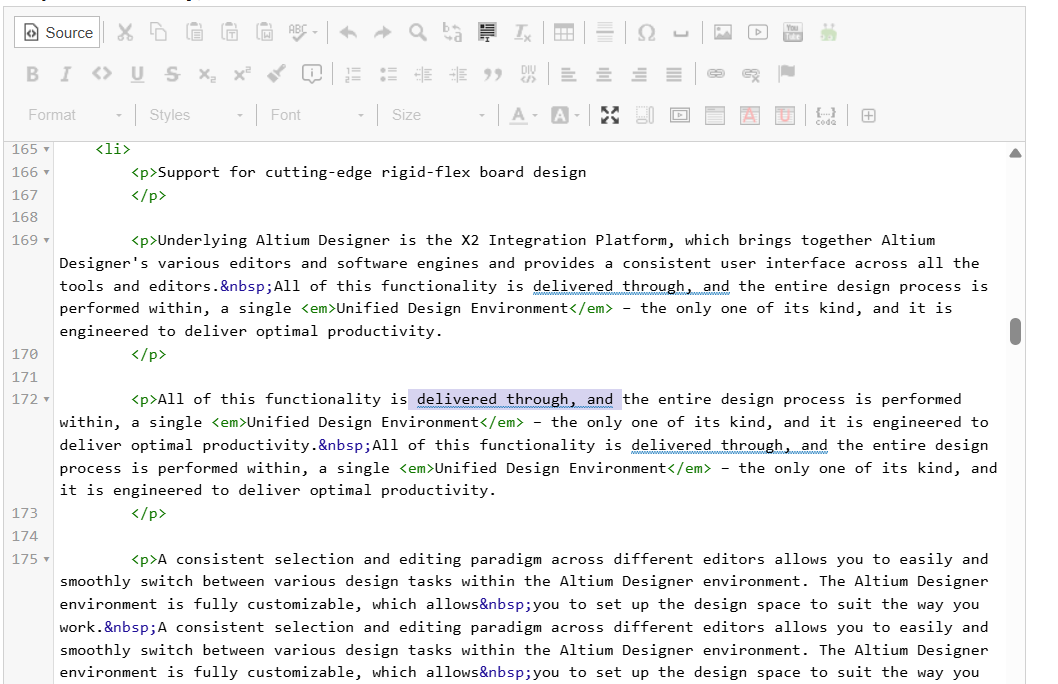
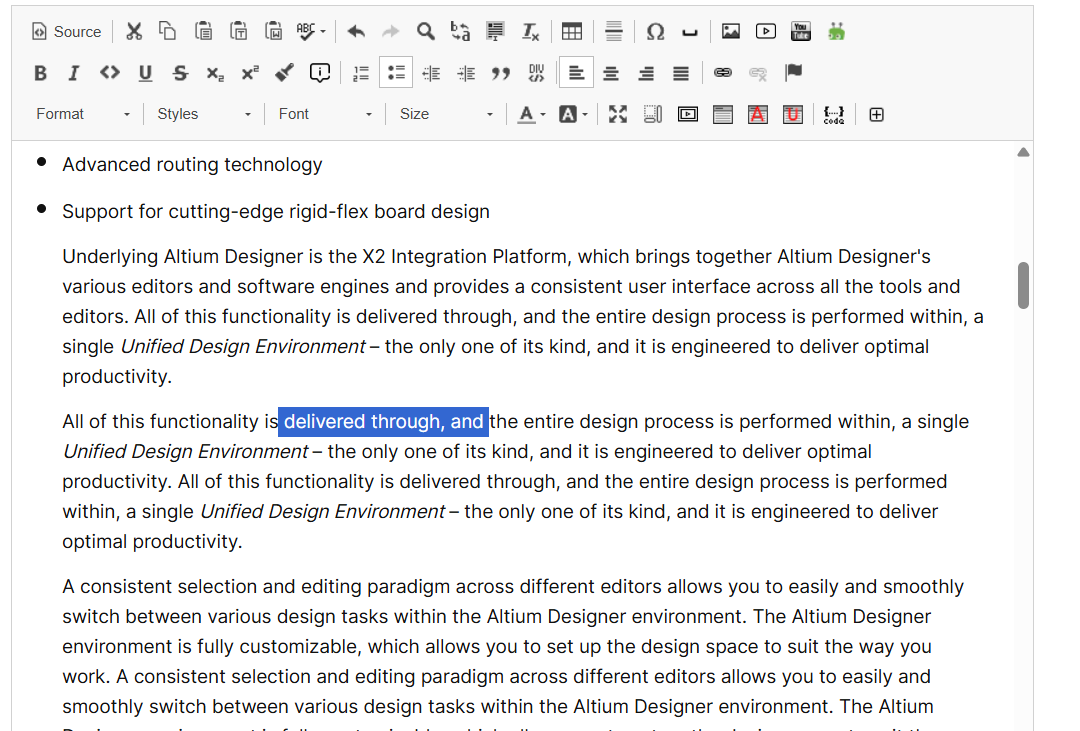
From a business standpoint, this was not a minor usability concern but a workflow regression. Editors were forced to repeat actions, manually correct mistakes, and slow down to double‑check their work. Our goal in migrating the Keep Text Selection functionality was to restore confidence and predictability without requiring editors to change how they work. By ensuring that user intent is always respected, we removed friction from daily content creation and maintained the efficiency levels clients expected prior to the migration.
Migrating IMCE with Images, Lightbox, Tooltips, and Video
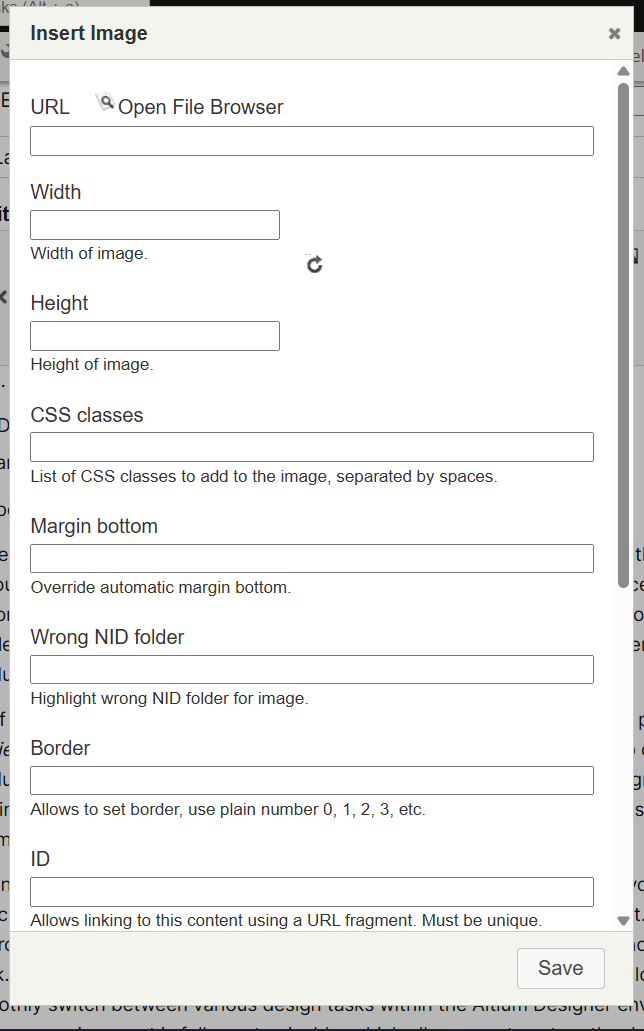
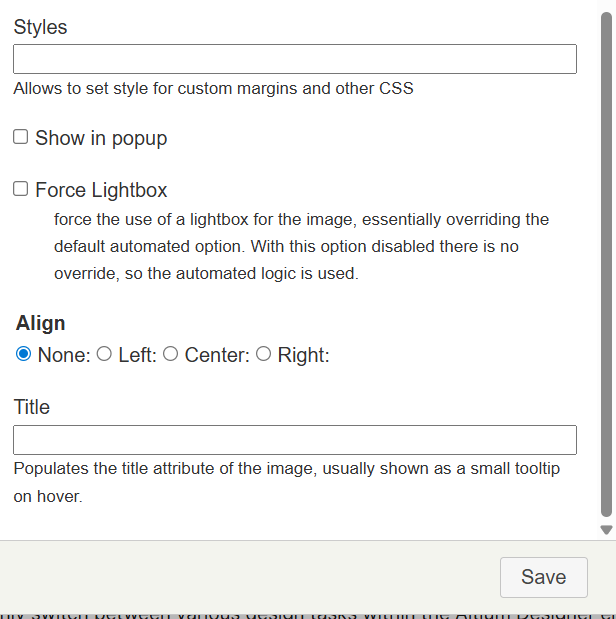
The most impactful migration involved IMCE, which in our client projects functioned as a full‑featured media management experience embedded directly into the editor. Editors relied on it not only to upload images, but also to manage reusable assets, insert videos, enable lightbox behavior, and enrich content with tooltips. These features were central to content quality and user engagement, particularly for complex publishing platforms.
CKEditor 5’s stricter content structure required a complete rethink of how this functionality was delivered, but the business requirement was clear: no loss of capability and no disruption to editorial workflows. We rebuilt the IMCE integration to fully support rich media insertion while aligning with modern Drupal and CKEditor 5 standards. Editors retained the ability to create visually rich, interactive content, while organizations gained a cleaner, more robust foundation that supports long‑term scalability, governance, and future enhancements.
Migrating from CKEditor 4 to CKEditor 5 is ultimately a business continuity challenge, not just a technical one. Missing plugins can silently undermine productivity, quality, and confidence if not addressed deliberately. Our experience demonstrates that rewriting critical plugins is often the most effective way to protect existing workflows while moving forward with modern platform requirements.
At DrupalBook, we approach these migrations as strategic investments in editorial efficiency and platform longevity, ensuring that teams can continue working smoothly while their digital infrastructure evolves.
Ivan Abramenko, Principal Drupal Architect
ivan.abramenko@drupalbook.org
projects@drupalbook.org